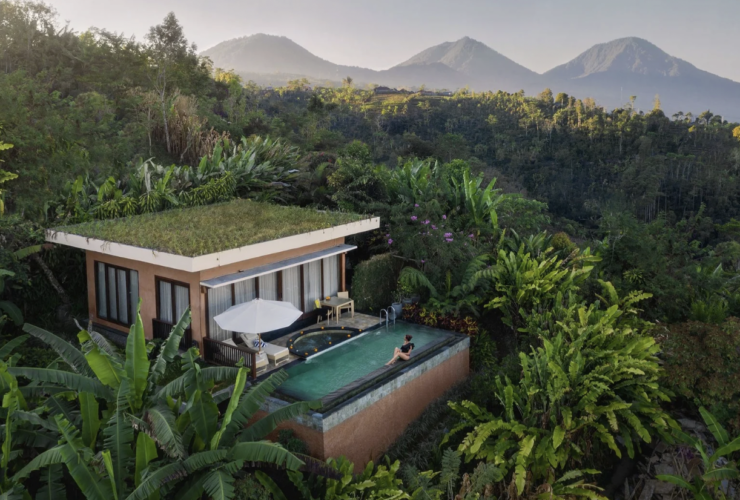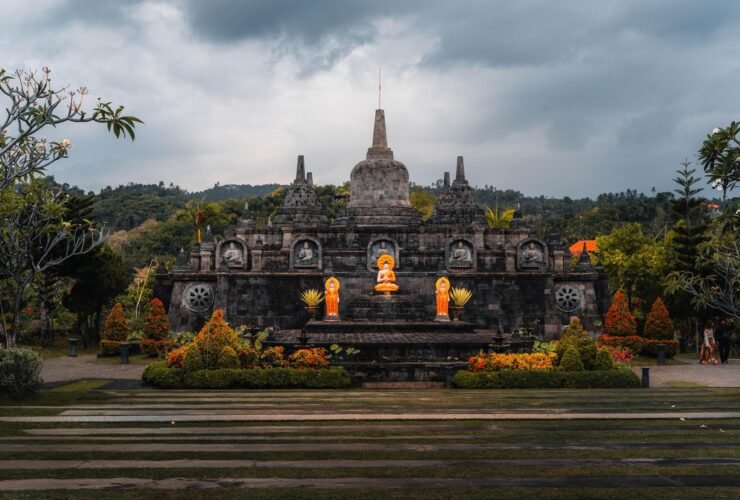



Indonesia is a dream for anyone who loves nature. Stretching across more than 17,000 islands, it is one of the most ecologically rich nations on Earth. From lush rainforests to colourful coral reefs, the country’s biodiversity is both vast and vital to the planet. Staying at an eco resort in Indonesia, such as Munduk Moding Plantation Nature Resort in Bali, gives travellers a chance to experience this natural wonder responsibly while helping to protect it.
Exploring biodiversity in Indonesia means more than admiring landscapes; it’s about understanding how wildlife, plants, and local communities coexist. It’s about seeing conservation efforts first-hand and appreciating how sustainable development can protect both people and planet.
Overview of Biodiversity in Indonesia
Indonesia is home to an astonishing variety of plants, animals, and ecosystems. From dense rainforests and volcanic highlands to vibrant coral reefs, the country’s rich biodiversity supports countless species and natural habitats.
What Biodiversity in Indonesia Means
Biodiversity refers to the variety of all living things on Earth, from the tiniest microbes to towering trees and migrating birds. When it comes to biodiversity in Indonesia, the numbers are staggering.
- Rich in species: Indonesia is home to thousands of mammal species, bird species, and fish species, many of which exist nowhere else on Earth.
- Unique habitats: Its major islands, such as Sumatra, Java, Borneo, Sulawesi, and Papua, contain diverse ecosystems ranging from mountain forests to marine protected areas and coral reefs.
- Agrobiodiversity: Indonesia’s agriculture is shaped by traditional practices that maintain a balance between natural forest and farmland, preserving valuable biological resources for food security and sustainable development.
Together, these elements make Indonesia a vital part of global biodiversity.
Why Indonesia is a Megadiverse Country
Indonesia is recognised as one of the world’s 17 megadiverse nations, thanks to its extraordinary biological diversity. Its position between the Asian and Australian biogeographical zones creates unique evolutionary conditions. The tropical climate, coupled with millions of years of isolation on scattered islands, has produced a remarkable level of endemic species.
Within its forest area, covering millions of hectares, lie tropical rainforests that store enormous amounts of carbon, providing essential climate regulation and carbon sequestration for the planet. These forests are comparable in importance to Africa’s Congo Basin and the Amazon. The Indonesian government, through the Indonesian Biodiversity Strategy and Action Plan, works to protect this natural treasure through biodiversity conservation and sustainable forest management programmes at national and local levels.
Unique Flora Found in Indonesia
The country’s flora is incredibly diverse, with over 28,000 species of flowering plants. Iconic examples include the Rafflesia arnoldii, the world’s largest flower, and the fragrant Edelweiss of Java, which grows in volcanic regions. Indonesia’s forests also nurture precious hardwoods and medicinal plants that support local livelihoods and traditional medicine.
Eco travellers visiting Munduk Moding Plantation can witness how sustainable forest management and responsible land use help preserve this natural habitat. The resort’s grounds themselves are part of reforestation efforts that protect native plants and reduce habitat degradation.
Unique Fauna and Endemic Species
Indonesia’s fauna is equally fascinating. It is home to many threatened species, including the critically endangered Sumatran tigers, Sumatran elephants, and endangered orangutans. Each plays a crucial role in maintaining the ecosystem’s balance.
You might also encounter the world-famous Komodo dragon, a true symbol of Indonesia’s wild side. BirdLife International’s data highlights the country as one of the most important endemic bird areas globally, hosting hundreds of rare bird species.
The forestry sector and conservation areas across Indonesia aim to protect these endangered species by involving local communities in biodiversity considerations and environmental protection. This partnership between local governments, private sector initiatives, and eco resorts encourages biodiversity conservation through practical, community-based solutions.
Marine Biodiversity in Indonesia
Below the surface, Indonesia’s marine affairs are equally impressive. The country sits within the Coral Triangle, home to more than 500 species of coral reefs and over 3,000 species of fish. These underwater ecosystems support coastal protection, fish resources, and local livelihoods.
Unfortunately, destructive fishing practices and marine pollution pose serious threats. To counter this, Indonesia has established marine protected areas that aim to restore oceanic ecosystems, maintain biological diversity, and prevent species extinction. Guests at eco resorts can often participate in reef-safe snorkelling, coral planting, or marine conservation programmes, perfect for travellers passionate about protecting biodiversity.
Key Threats to Biodiversity in Indonesia
Despite its incredible natural wealth, Indonesia faces numerous challenges that threaten its ecosystems. Here, we take a closer look at the main threats to biodiversity in Indonesia and the consequences for both wildlife and local communities.
Deforestation and Logging Impacts
Despite Indonesia’s rich biodiversity, the country faces significant challenges. Illegal logging, illegal deforestation, and unsustainable forest conversion continue to cause forest degradation. Every year, millions of hectares of natural forest are lost to land clearing, agricultural expansion, and palm oil plantations.
The Forestry Act and Indonesia’s biodiversity action plan emphasise environmental protection and the need for sustainable forest management. Reforestation, combined with stronger environmental impact assessments, is key to slowing habitat loss and protecting biodiversity in the long term.
Habitat Destruction from Fires and Urbanisation
Forest fires, whether from natural causes or human-induced land clearing, are another major contributor to habitat destruction. The smoke affects both wildlife and local communities, while the loss of vegetation contributes to climate change and soil erosion.
Rapid infrastructure development and urbanisation add pressure on natural habitats, particularly in coastal regions where biodiversity considerations are often overlooked. Balancing economic growth with environmental protection is one of the biggest challenges for the Indonesian government and conservation groups.
Wildlife Trafficking
Illegal wildlife trade remains a persistent danger to Indonesia’s biodiversity. The capture and sale of rare animals like the Sumatran tiger, exotic bird species, and endangered orangutans contribute to habitat degradation and accelerate species extinction.
Conservation initiatives now target this issue through education, enforcement, and sustainable alternatives for rural communities. By involving local communities in conservation efforts, the Indonesian biodiversity strategy aims to reduce poaching and create more opportunities for ecotourism, turning what was once exploitation into sustainable livelihoods.
Conservation Efforts to Protect Biodiversity in Indonesia
Protecting the country’s biodiversity requires coordinated efforts at national, regional, and local levels. This section highlights the strategies and conservation initiatives that help safeguard the country’s ecosystems.
Reforestation and Forest Restoration Programmes
The Indonesian government and international organisations such as the World Bank support reforestation projects to restore degraded land. Many programmes focus on protected forests and conservation areas where natural forest regrowth helps secure biodiversity and climate regulation.
Eco resorts like Munduk Moding Plantation contribute to this effort by maintaining forest cover and planting native tree species. These actions help prevent forest degradation while providing natural habitats for wildlife.
Establishing Protected Areas and National Parks
Indonesia has designated dozens of national park sites and conservation areas that protect millions of hectares of land and sea. These include famous spots such as Komodo National Park and Gunung Leuser National Park, both havens for endangered species.
At the same time, local governments are expanding regional development plans that include biodiversity considerations. Environmental protection laws now require an environmental impact assessment before large-scale infrastructure development or forest clearing activities can proceed.
Species-Specific Conservation Initiatives
Targeted programmes have been created to safeguard particular species, from the critically endangered Sumatran tigers to the Sumatran elephants. NGOs, the private sector, and the forestry sector work together to restore habitats, reduce human-wildlife conflict, and prevent further species extinction.
These conservation efforts also support sustainable development by aligning economic incentives with biodiversity conservation goals. Protecting these animals doesn’t just save species, it preserves ecosystem health and long-term food security for human populations as well.
Community-Based Conservation Programmes
Involving local communities has proven essential to protecting biodiversity. Many eco resorts in Indonesia operate with the belief that conservation begins with people. By offering jobs, education, and community engagement, they reduce pressures that often lead to illegal logging or poaching.
At Munduk Moding Plantation, guests can witness how local farmers practise sustainable agriculture and reforestation. The community structure ensures that benefits are shared fairly and traditional knowledge is respected. This model demonstrates that conservation initiatives can support both biodiversity conservation and local livelihoods simultaneously.
Experiencing Biodiversity in Indonesia at Eco Resorts
Eco resorts offer a unique way to immerse yourself in Indonesia’s natural world while supporting sustainable tourism. By staying at resorts that prioritise biodiversity conservation, you can experience guided forest walks, coffee plantation tours, and cultural village visits that connect you to the land, wildlife, and local communities.
Guided Forest Walks to Discover Local Flora and Fauna
At an eco resort in Bali, your journey into nature begins just outside your villa. Guided forest walks allow guests to explore the surrounding natural habitat, home to countless bird species, butterflies, and plant life. Guides share stories about indigenous trees, natural forest management, and the role these ecosystems play in carbon sequestration and climate regulation.
These experiences are more than just scenic; they help guests appreciate the importance of sustainable forest management and protecting biodiversity firsthand.
Coffee Plantation Tours and Tasting Sessions
Munduk Moding Plantation is not only known for its luxury but also for its sustainable coffee production. Touring the coffee plantation reveals how agrobiodiversity and environmental protection work together. Guests see how land use can remain productive without causing habitat loss or forest conversion.
You can learn about the resort’s biodiversity considerations, from soil preservation to water recycling, all part of its commitment to sustainable development and responsible tourism.
Cultural Village Visits to Learn About Traditional Practices
One of the best ways to understand Indonesia’s biodiversity is by learning from the people who have lived alongside it for generations. Visiting nearby villages gives travellers insight into local traditions, crafts, and agricultural systems that support biodiversity conservation.
Local communities have long practised sustainable methods of farming, fishing, and forest care, values deeply rooted in harmony with nature. These interactions highlight how community-based conservation efforts, guided by national and local levels of the Indonesian government, can maintain both cultural identity and environmental protection.
Wildlife Watching Opportunities at Eco Resorts
Indonesia’s forests and protected areas are home to some of the world’s most remarkable wildlife. In this section, we’ll explore the best ways to spot wildlife responsibly.
Spotting the Bali Starling
One of Indonesia’s most iconic birds is the Bali starling, a critically endangered species found primarily in protected forests on Bali. Eco resorts like Munduk Moding Plantation often collaborate with conservation initiatives to help protect these rare birds. Guests can participate in guided walks that aim to observe the Bali starling in its natural habitat while learning about the threats it faces, including habitat degradation and species extinction.
These walks highlight the importance of biodiversity conservation, showing how preserving natural habitats can support endangered species and endemic bird areas. It’s an unforgettable experience for travellers eager to see the country’s rich biodiversity up close.
Orangutan Observation Walks
Indonesia is home to endangered orangutans, primarily in Sumatra and Borneo. At eco resorts connected to forest areas, visitors can join observation walks designed to spot these intelligent mammals while minimising disturbance to their natural habitat.
Guides explain how palm oil plantations, forest clearing activities, and habitat destruction have dramatically affected orangutan populations. Observing them in a responsible setting not only fosters appreciation but also supports broader biodiversity considerations and conservation initiatives led by local communities and national government programmes.
Guided Birdwatching Tours
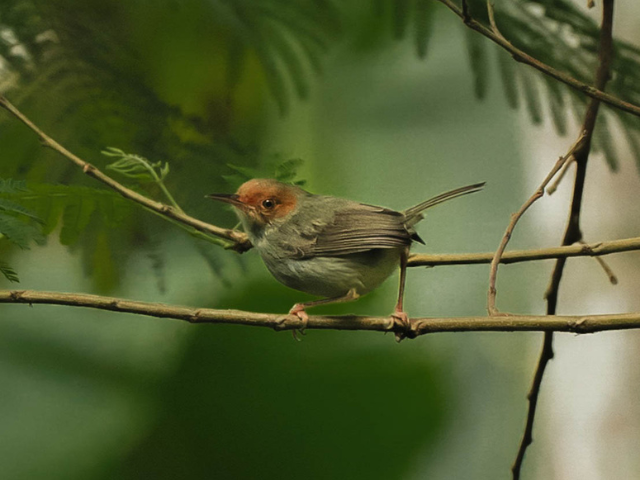
Indonesia’s forests and plantations are teeming with bird species, from hornbills and cockatoos to colourful endemic birds. Guided birdwatching tours are a popular activity at eco resorts, offering guests the chance to learn about avian behaviour, breeding patterns, and the importance of forest protection for bird life.
These tours reinforce the value of sustainable forest management and biodiversity action plans, showing how conservation areas and protected forests help maintain global biodiversity while providing local livelihoods and eco-tourism opportunities.
Marine Biodiversity Adventures
Beyond the forests, Indonesia’s waters are alive with marine biodiversity. The country’s coral reefs, mangroves, and coastal ecosystems are teeming with life. Here, we’ll highlight activities like snorkelling, diving, and kayaking that allow visitors to explore marine life while understanding the importance of sustainable marine management.
Snorkelling in Coral Gardens
The Coral Triangle makes Indonesia a hotspot for coral reefs and fish resources. Snorkelling at eco resorts lets visitors explore vibrant coral gardens while understanding the effects of destructive fishing practices and climate change on marine life.
Guests often encounter colourful reef fish, sea turtles, and other threatened species, gaining insight into marine protected areas and sustainable marine affairs management. Resorts integrate biodiversity conservation messaging into these experiences, helping travellers appreciate the delicate balance of tropical marine ecosystems.
Diving Among Tropical Fish
Diving adventures immerse guests in underwater ecosystems where endangered species and alien species interact. Guides explain how reef protection, coastal protection, and sustainable practices support fish resources and prevent habitat destruction.
Diving at eco resorts also highlights the connections between terrestrial biodiversity and marine biodiversity in Indonesia. Healthy forests prevent sedimentation that can damage coral reefs, showcasing how sustainable forest management contributes to marine ecosystem health.
Kayaking in Mangroves to Spot Marine Life
Mangroves are critical for coastal protection, acting as nurseries for fish and stabilising shorelines. Kayaking through mangrove forests allows visitors to spot crabs, small fish, and other marine species while learning about habitat loss and forest degradation caused by agricultural expansion and oil palm plantations.
Resorts often integrate conservation initiatives into these excursions, educating visitors on sustainable development, local livelihoods, and Indonesia’s biodiversity strategy. Participating in such eco-friendly activities reinforces the importance of protecting both biological resources and natural habitats.
How Visitors Can Contribute to Biodiversity Conservation
Tourists can play a meaningful role in protecting Indonesia’s ecosystems. From participating in tree planting and wildlife monitoring to supporting local eco-friendly businesses, every action helps preserve natural habitats and threatened species.
Participating in Resort-Led Tree Planting
Many eco resorts offer tree-planting programmes, allowing guests to actively participate in reforestation efforts. Planting native trees helps combat forest degradation, maintain carbon sequestration, and support habitat restoration for endangered orangutans, Sumatran tigers, and other threatened species.
Reducing Plastic Use During Your Stay
Reducing plastic waste during your stay is a simple yet powerful way to support biodiversity conservation. Plastic pollution harms marine life, disrupts ecosystems, and contributes to habitat destruction. By using reusable water bottles, avoiding single-use plastics, and disposing of waste responsibly, visitors help preserve the country’s rich biodiversity.
Joining Wildlife Monitoring Activities
Eco resorts often partner with conservation groups to monitor wildlife populations. Guests can assist in tracking mammal species, birds, and reptiles, contributing valuable data to conservation initiatives. These activities help protect critically endangered species and support the Indonesian government’s biodiversity action plan at the national and local levels.
Supporting Local Eco-Friendly Businesses
Purchasing local products encourages sustainable development and strengthens local livelihoods. By supporting handicrafts, sustainable agriculture, and eco-tourism, guests help local communities maintain natural habitats, practice biodiversity conservation, and reduce reliance on environmentally damaging activities such as illegal logging or forest conversion.
Following Responsible Tourism Guidelines
Responsible tourism ensures that visits do not contribute to habitat destruction or species extinction. Eco-friendly practices, including sticking to trails, respecting wildlife, and following resort guidelines, play a role in sustainable forest management, coastal protection, and long-term biodiversity conservation efforts.
Tips for Planning a Biodiversity-Focused Day
Maximising your experience requires a little planning. By following simple guidelines, you can enjoy Indonesia’s natural beauty while minimising your environmental footprint. Here are practical tips for a fulfilling, biodiversity-focused day:
Start Early for Wildlife Spotting
Many species are most active at dawn, making early starts perfect for spotting bird species, orangutans, and other mammals in their natural habitat. This increases your chances of seeing the country’s biodiversity in action.
Wear Comfortable and Eco-Friendly Clothing
Lightweight, breathable, and sustainably produced clothing keeps you comfortable while reducing your environmental impact. Eco resorts encourage guests to consider clothing materials that do not harm the surrounding natural forest or contribute to habitat degradation.
Pack Reusable Water Bottles and Snacks
Bringing reusable bottles and containers reduces plastic waste, supporting both biodiversity conservation and coastal protection. Avoiding single-use plastics helps prevent marine pollution, which threatens fish resources and coral reefs.
Hire Guides for Expert Knowledge
Local guides are invaluable for understanding the ecosystem, spotting critically endangered Sumatran tigers, Sumatran elephants, or rare birds, and learning about biodiversity considerations in regional development. Their knowledge supports sustainable eco-tourism and helps visitors engage meaningfully with protected forests and conservation areas.
Respect Wildlife and Nature at All Times
Maintaining a safe distance from wildlife, avoiding loud noises, and refraining from picking plants ensures that you do not contribute to habitat loss or forest degradation. This respect aligns with the Indonesian biodiversity strategy and supports long-term conservation initiatives involving local communities.
Final Thoughts
Exploring biodiversity in Indonesia at an eco resort is a unique way to connect with nature while supporting meaningful conservation efforts. From spotting the Bali starling to snorkelling among coral reefs, every experience offers insight into the country’s rich biological diversity.
By participating in eco-friendly activities, supporting local communities, and following sustainable practices, visitors become active partners in protecting biodiversity. Munduk accommodation demonstrates that tourism, when done responsibly, can coexist with forest conservation, marine protection, and sustainable development, preserving Indonesia’s natural treasures for generations to come.
Choosing an eco resort in Indonesia is more than a holiday; it is a commitment to experiencing, learning about, and conserving the extraordinary biodiversity that makes the country so remarkable.