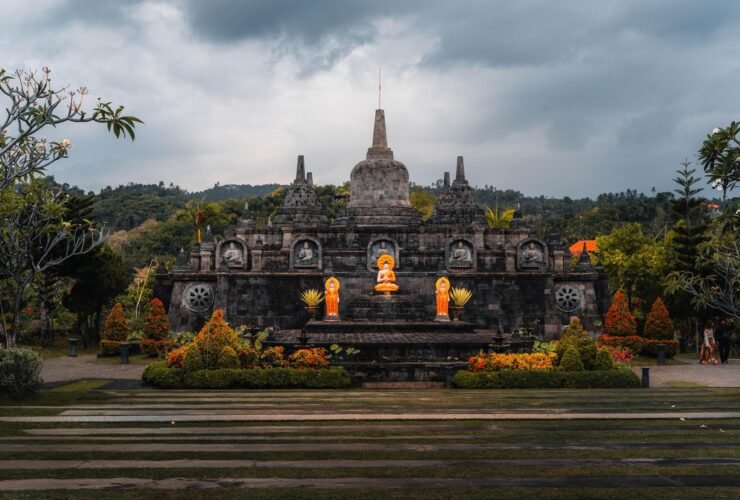



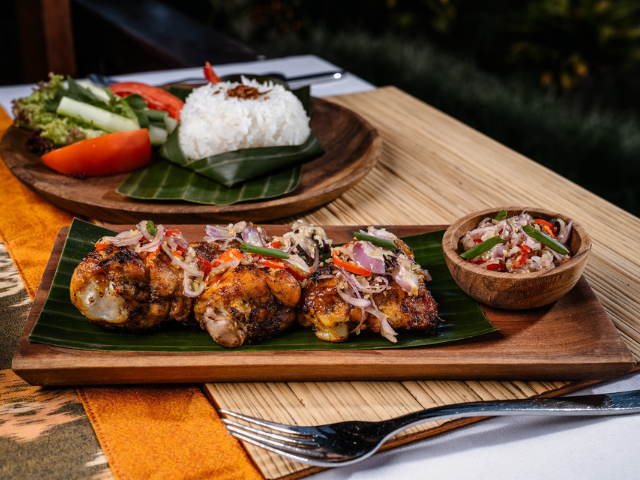
Few cuisines are as diverse and deeply rooted in culture as that of Indonesia. Spanning thousands of islands—including Bali, Java, and Sumatra—Indonesian cuisine is a vibrant blend of regional traditions, local ingredients, and centuries of cultural exchange.
From rich, slow-cooked stews to fresh, herb-filled dishes, Indonesian food tells a story of geography, history, and community. Whether you’re trying it for the first time or exploring it more deeply, this guide will walk you through its most iconic flavours and dishes.
What Defines Indonesian Cuisine?
At its core, Indonesian cuisine is all about balance—sweet, salty, spicy, and sour elements often come together in a single dish.
Key ingredients include:
- Rice (the staple of most meals)
- Coconut milk
- Fresh herbs like lemongrass, galangal, and kaffir lime
- Spices such as turmeric, coriander, and chili
Many dishes are built around bumbu, a traditional spice paste that forms the base of countless recipes. This layering of flavours is what gives Indonesian food its depth and richness.
Must-Try Traditional Indonesian Dishes
With hundreds of regional specialties, narrowing down Indonesian cuisine isn’t easy—but a few dishes stand out as essentials.
Nasi Goreng
Often considered Indonesia’s national dish, Nasi Goreng is a flavorful fried rice typically cooked with sweet soy sauce, garlic, and chili. It’s commonly topped with a fried egg and served with pickles and crackers.
Rendang
Originating from West Sumatra, Rendang is a rich, slow-cooked beef dish simmered in coconut milk and spices until tender. It’s known for its deep, complex flavor and is often served during special occasions.
Satay
Satay consists of skewered and grilled meat served with a savory peanut sauce. It’s a popular street food found across the country, with regional variations in seasoning and preparation.
Gado-Gado
For something lighter, Gado-Gado combines boiled vegetables, tofu, eggs, and peanut sauce. It’s a great example of how Indonesian cuisine balances flavor and nutrition.
Regional Flavours Across the Islands
Indonesia’s size means each region has its own culinary identity.
In Bali, dishes often feature fresh herbs, pork, and seafood, with strong influences from local Hindu traditions. In contrast, Sumatran cuisine tends to be richer and spicier, while Javanese food is known for its slightly sweeter profile.
Exploring these regional differences is part of what makes Indonesian cuisine so fascinating—you’re not just tasting food, you’re experiencing local culture.
The Role of Street Food and Local Dining
Street food plays a huge role in Indonesian food culture. Small stalls, known as warungs, serve freshly prepared dishes that are both affordable and authentic.
From grilled satay skewers to bowls of noodle soup, these casual settings often provide some of the most memorable meals.
At the same time, modern dining spaces are reinterpreting traditional flavours in more refined ways—bringing Indonesian cuisine to a wider audience while preserving its essence.
A Taste of Indonesian Cuisine in the Highlands
In quieter regions like North Bali, food experiences often feel more connected to the land.
At places like Munduk Moding Plantation Nature Resort, dining reflects the surrounding environment. Ingredients are often sourced locally, and menus highlight both traditional Balinese dishes and broader Indonesian flavors.
Guests can enjoy meals inspired by farm-to-table principles, where fresh herbs and produce from nearby gardens shape each dish. Dining venues such as MiMPi Restaurant or Warung Bongkot offer a chance to explore authentic flavors in a more relaxed, nature-filled setting.
Coffee Culture in Indonesian Cuisine
No guide to Indonesian cuisine would be complete without mentioning coffee.
Indonesia is one of the world’s largest coffee producers, with regions like Bali offering unique growing conditions. Coffee here is often cultivated in shaded plantations, contributing to both flavor and environmental sustainability.
Experiences like visiting a local plantation—or learning about the “bean to cup” process—add another layer to understanding Indonesian food culture. Coffee isn’t just a drink; it’s part of daily life and local heritage.
Tips for Enjoying Indonesian Food
If you’re new to Indonesian cuisine, a few simple tips can help you make the most of it:
- Start with mild dishes if you’re sensitive to spice
- Try a variety of dishes to experience different flavours
- Don’t skip local specialties—they often reflect the region best
- Pair meals with fresh juices or traditional drinks
Most importantly, approach Indonesian food with curiosity. Every dish has a story, and discovering those stories is part of the experience.
Final Thoughts
Indonesian cuisine is more than just a collection of dishes—it’s a reflection of the country’s diversity, history, and way of life.
From the bold flavors of rendang to the comforting simplicity of nasi goreng, each bite offers a glimpse into a rich culinary tradition shaped by generations.
Whether you’re exploring bustling cities or the quiet highlands of Bali, Indonesian food invites you to slow down, savor each flavor, and connect with the culture behind it.