

Indonesia’s culinary heritage is as diverse as its thousands of islands. Every region has its own ingredients, cooking techniques, and family traditions that have been passed down for generations. While many travellers search for Indonesian cuisine recipes to recreate these dishes at home, experiencing them where they are prepared offers a deeper appreciation of the country’s rich food culture.
From slow-cooked spices and fragrant herbs to freshly harvested vegetables and traditional cooking methods, Indonesian cuisine tells stories of local communities, landscapes, and history through every meal.
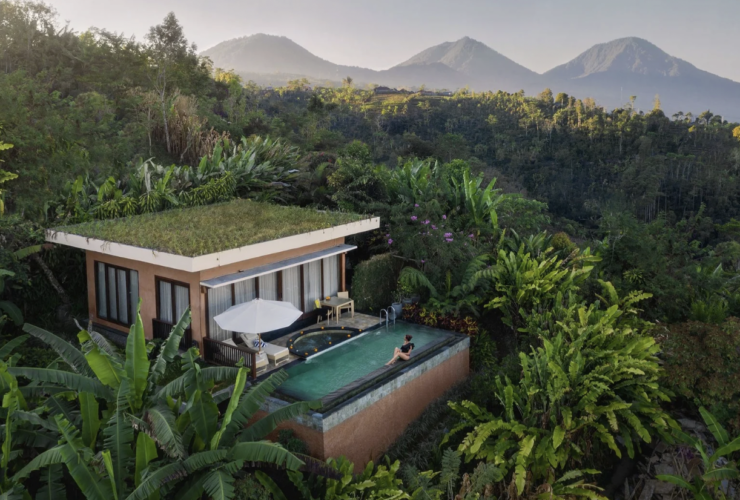
At Munduk Moding Plantation Nature Resort, guests are invited to discover these flavours across several unique dining venues, each offering a different perspective on Indonesian and Balinese gastronomy.
What Defines Indonesian Cuisine?
Unlike a single national style of cooking, Indonesian cuisine is a collection of regional traditions. Recipes vary from island to island, yet many share common foundations of aromatic spices, fresh herbs, coconut, chilli, turmeric, galangal, lemongrass, and locally grown produce.
Many Indonesian cuisine recipes are developed slowly, allowing spices to infuse naturally into meat, vegetables, and broths. Others celebrate freshness, using seasonal ingredients harvested only hours before they reach the table.
The result is a cuisine that balances richness with freshness, offering both comforting classics and regional specialities that reflect Indonesia’s remarkable cultural diversity.
Experience Indonesian Cuisine at MiMPi Restaurant
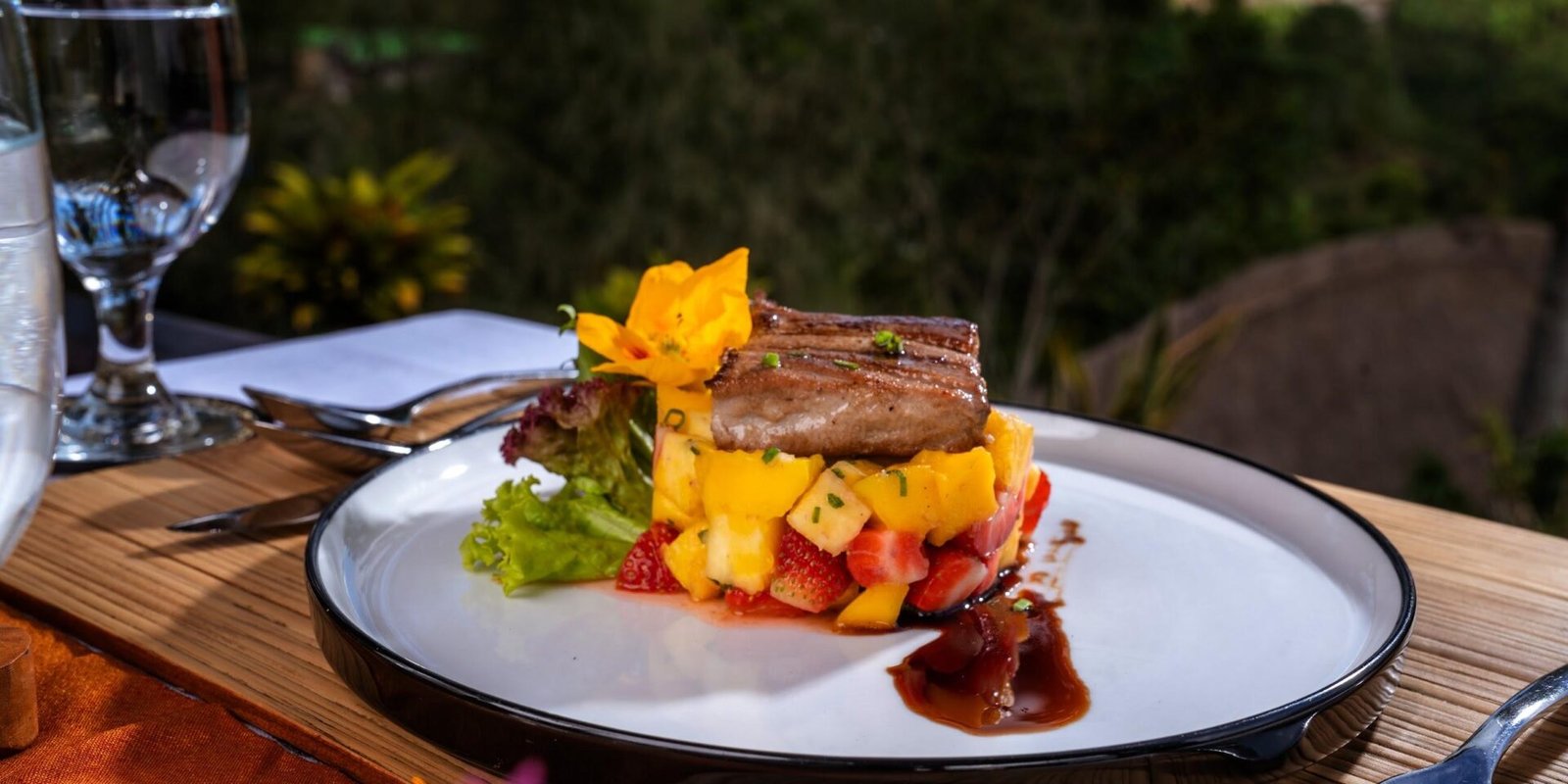
Overlooking the lush highlands of North Bali, MiMPi Restaurant combines local traditions with contemporary presentation, allowing guests to experience familiar Indonesian flavours in a refined setting.
The menu celebrates some of Indonesia’s most recognised dishes, including Rendang Nusantara, a slow-cooked beef dish layered with aromatic spices, alongside Aneka Sate, featuring a selection of Indonesian satays grilled over charcoal and served with traditional accompaniments.
Guests can also discover Siap Sambal Matah, where Balinese sambal made with fresh shallots, lemongrass, and chilli complements locally prepared chicken, highlighting the vibrant flavours that define the island.
Together, these dishes introduce guests to Indonesian cuisine recipes that have become favourites across the archipelago while reflecting the culinary identity of Bali.
Discover North Balinese Traditions at Warung Bongkot
For travellers wishing to explore regional cooking beyond Indonesia’s well-known classics, Warung Bongkot offers an introduction to the distinctive flavours of North Bali.
Inspired by recipes passed through local families, the restaurant prepares dishes using vegetables, herbs, and spices harvested from the resort’s organic gardens and plantation. Traditional North Balinese cooking methods, including the gentle blanching of vegetables, preserve both texture and natural flavour.
The menu features regional specialities such as Basang Guling, Jukut Ares, Timbungan Be Siap, and Sate Languan, dishes that remain deeply rooted in local culinary heritage. Dining here offers an opportunity to experience Indonesian cuisine recipes that continue to shape everyday life in Bali’s mountain communities.
Beyond the Plate at Rasa Alam
Indonesian food culture extends beyond meals themselves. At Rasa Alam, guests discover another side of Balinese culinary traditions through thoughtfully curated wellness and tasting experiences.
Rather than serving full meals, Rasa Alam introduces the role of locally grown herbs and native plants through healthy drink demonstrations, showing how natural ingredients have long been enjoyed in everyday Balinese refreshments.
These experiences offer a deeper understanding of local ingredients, flavours, and traditions, highlighting how nature has supported Balinese communities in both nourishment and wellness for generations.
Why Local Ingredients Matter
One of the defining characteristics of authentic Indonesian cooking is its connection to the surrounding landscape.
At Munduk Moding Plantation Nature Resort, many vegetables, herbs, and spices are sourced directly from the resort’s organic gardens and plantation. Seasonal ingredients influence the menu throughout the year, allowing each dish to reflect the rhythms of the highlands rather than relying solely on imported produce.
This close relationship between the land and the kitchen allows guests to experience Indonesian cuisine much as it has traditionally been prepared, fresh, seasonal, and rooted in place.
Discover Indonesian Cuisine Through the Highlands of Munduk
Reading Indonesian cuisine recipes offers an introduction to the country’s remarkable culinary diversity, but tasting these dishes where fresh ingredients are grown adds another dimension to the experience.
Whether enjoying regional Balinese specialities at Warung Bongkot, Indonesian favourites at MiMPi Restaurant, or learning about local herbs and traditional refreshments at Rasa Alam, guests at Munduk Moding Plantation Nature Resort are invited to explore Indonesian cuisine through the landscapes, traditions, and communities that continue to shape it today.
Surrounded by coffee plantations, forests, and mountain air, every meal becomes an opportunity to connect with the authentic flavours of North Bali.