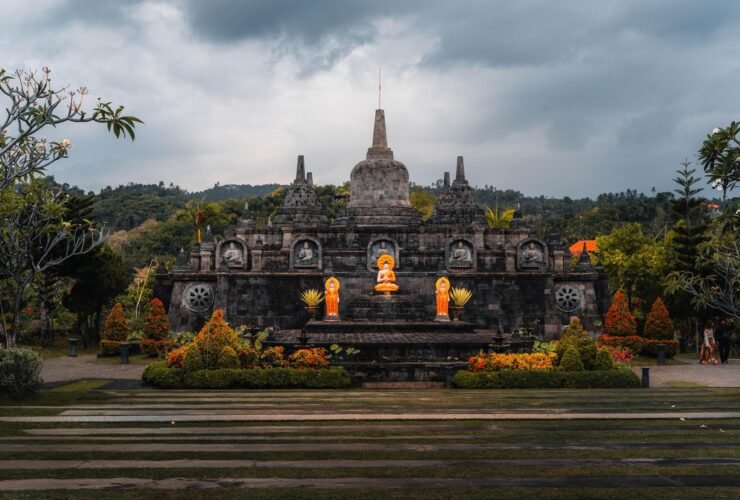


For many travellers, Bali is a destination of beaches, temples, and rice terraces. Yet beyond the coastline lies another side of the island, where cool mountain air, fertile volcanic soil, and generations of farming traditions have shaped one of Bali’s most enduring agricultural treasures: coffee.
Visiting a coffee plantation in Bali offers more than the chance to enjoy a freshly brewed cup. It reveals the relationship between the land, the people who cultivate it, and the careful process that transforms coffee cherries into the distinctive flavours found in every brew. Whether you’re exploring the central highlands or venturing north to Munduk, a coffee plantation provides a meaningful way to experience Bali beyond its familiar attractions.
Why Coffee Plantations Are Part of Bali’s Cultural Landscape
Coffee has been cultivated in Bali since the Dutch introduced the crop during the nineteenth century. The island’s volcanic terrain, tropical climate, and higher elevations create favourable conditions for growing both Arabica and Robusta coffee.
Many plantations continue to practise small-scale farming, where harvesting remains largely by hand and processing follows methods refined over generations. Visiting a plantation allows travellers to understand how coffee supports local livelihoods while shaping the landscapes that define Bali’s mountain regions.
The Highlands of Munduk: One of Bali’s Coffee-Growing Regions
Among Bali’s coffee-producing regions, Munduk has long been recognised for its cool climate and fertile volcanic soil. Situated around 1,200 metres above sea level, the area provides ideal conditions for cultivating Arabica coffee, allowing the cherries to mature slowly and develop complex character.
The surrounding forests, waterfalls, and mountain scenery create an environment where agriculture and nature exist side by side. Rather than visiting a plantation as a standalone attraction, travellers can experience coffee as part of the wider landscape that has sustained local communities for generations.
Experience a Working Coffee Plantation at Munduk Moding Plantation Nature Resort
Unlike many coffee stops designed solely for tastings, Munduk Moding Plantation Nature Resort is set within a working coffee plantation where coffee cultivation remains part of everyday life.
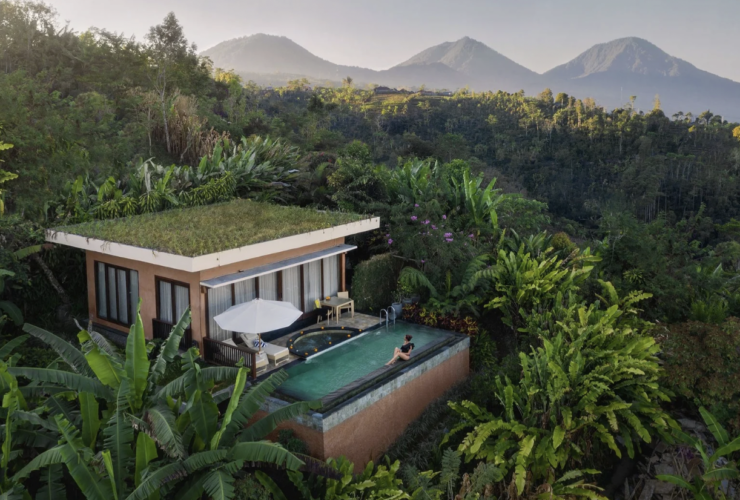
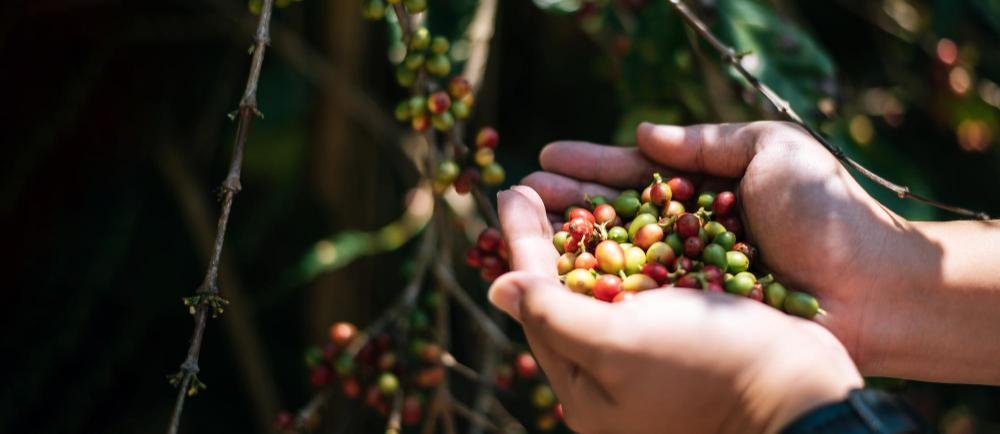
Surrounded by lush jungle and tropical gardens, the award-winning five-star resort offers guests the opportunity to discover coffee where it is grown. Guided plantation experiences introduce every stage of the journey, from planting and harvesting to drying, cleaning, roasting, and brewing.
Guests can join the Coffee Plantation Tour to walk through the plantation before enjoying a guided tasting of the resort’s homegrown Arabica coffees. Those seeking a deeper understanding can also explore more immersive coffee experiences that reveal the craftsmanship behind each harvest and roast.
Because the plantation is woven into the resort itself, coffee becomes part of the stay rather than a single excursion. Morning walks pass rows of coffee trees, afternoons invite conversations over freshly roasted beans, and the surrounding landscape offers a constant reminder of the connection between nature and cultivation.
More Than Coffee: A Place to Slow Down
One of the greatest pleasures of visiting a coffee plantation is not simply tasting the coffee; it is embracing the slower rhythm that accompanies it.
At Munduk Moding Plantation Nature Resort, that rhythm extends throughout the property. Forest trails, organic gardens, mountain views, and locally inspired dining experiences complement the plantation, creating an atmosphere where guests are encouraged to pause, observe, and reconnect with nature.
Ethical Luwak Coffee Plantations in MMP Nature Resort
Travellers researching a luwak coffee plantation will find several experiences across Bali introducing this unique coffee. Traditionally, luwak coffee is produced using beans that have passed naturally through the digestive system of wild Asian palm civets before being cleaned, roasted, and brewed.
At Munduk Moding Plantation Nature Resort, guests may have the opportunity to taste ethically sourced wild Luwak coffee, collected from civets living freely in the surrounding forest. The resort does not support practices involving caged or force-fed animals, instead choosing to respect the natural behaviour and habitat of these wildlife species.
While Luwak coffee represents one aspect of Bali’s coffee heritage, the plantation’s primary focus remains its organically grown Arabica coffee and the sustainable farming practices that support both the environment and local communities.
Why Stay at Munduk Moding Plantation Nature Resort
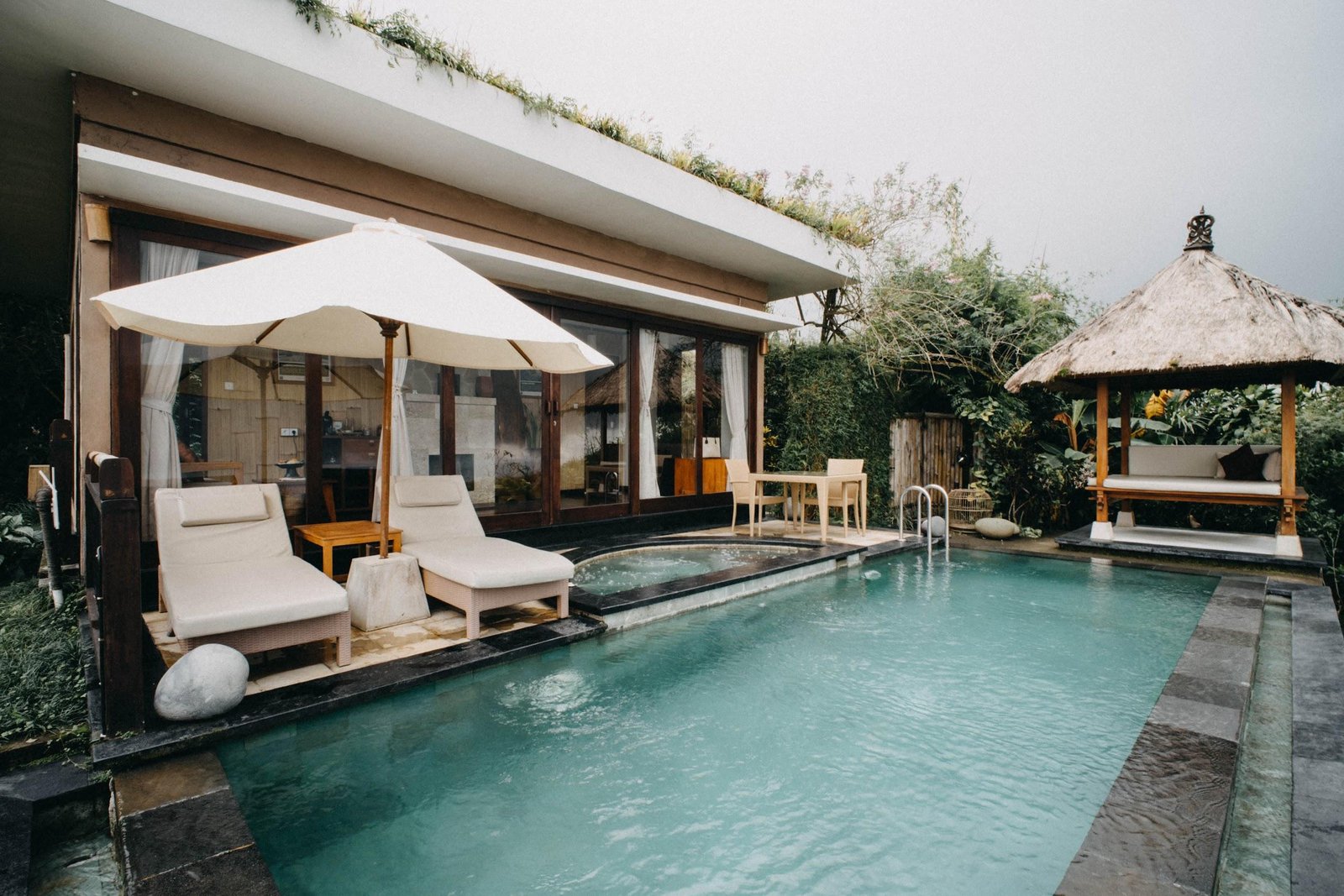
A visit to a coffee plantation often lasts only a few hours. Staying at Munduk Moding Plantation Nature Resort allows guests to experience the plantation from dawn until dusk, observing how the changing light, cool mountain climate, and surrounding forests shape life in Bali’s highlands.
MMP resort combines elegant accommodation with meaningful experiences, from guided coffee tours and tasting sessions to nature walks, wellness, and locally inspired dining. Every element reflects the character of North Bali while offering a peaceful retreat immersed in one of the island’s historic coffee-growing regions.
Discover Bali Through Its Coffee
Every coffee-growing region tells its own story, shaped by climate, soil, and the people who care for the land. A coffee plantation in Bali is more than a destination for tasting, it is an invitation to understand the island through its traditions, landscapes, and everyday rhythms.
At Munduk Moding Plantation Nature Resort, that story unfolds where coffee continues to grow, surrounded by forests, fresh mountain air, and the quiet beauty of North Bali. It is a place to slow down, explore thoughtfully, and appreciate the journey behind every cup.