

Bali has a way of surprising people who think they already know it. Most visitors to this island arrive through the south, settle into Seminyak or Canggu, and leave with an experience that is genuinely enjoyable but only loosely connected to the Bali that existed before international tourism reshaped it. A Bali Indonesia retreat in the highlands offers something entirely different, and for travellers who have sensed that the island has more to give, North Bali is where that instinct leads.
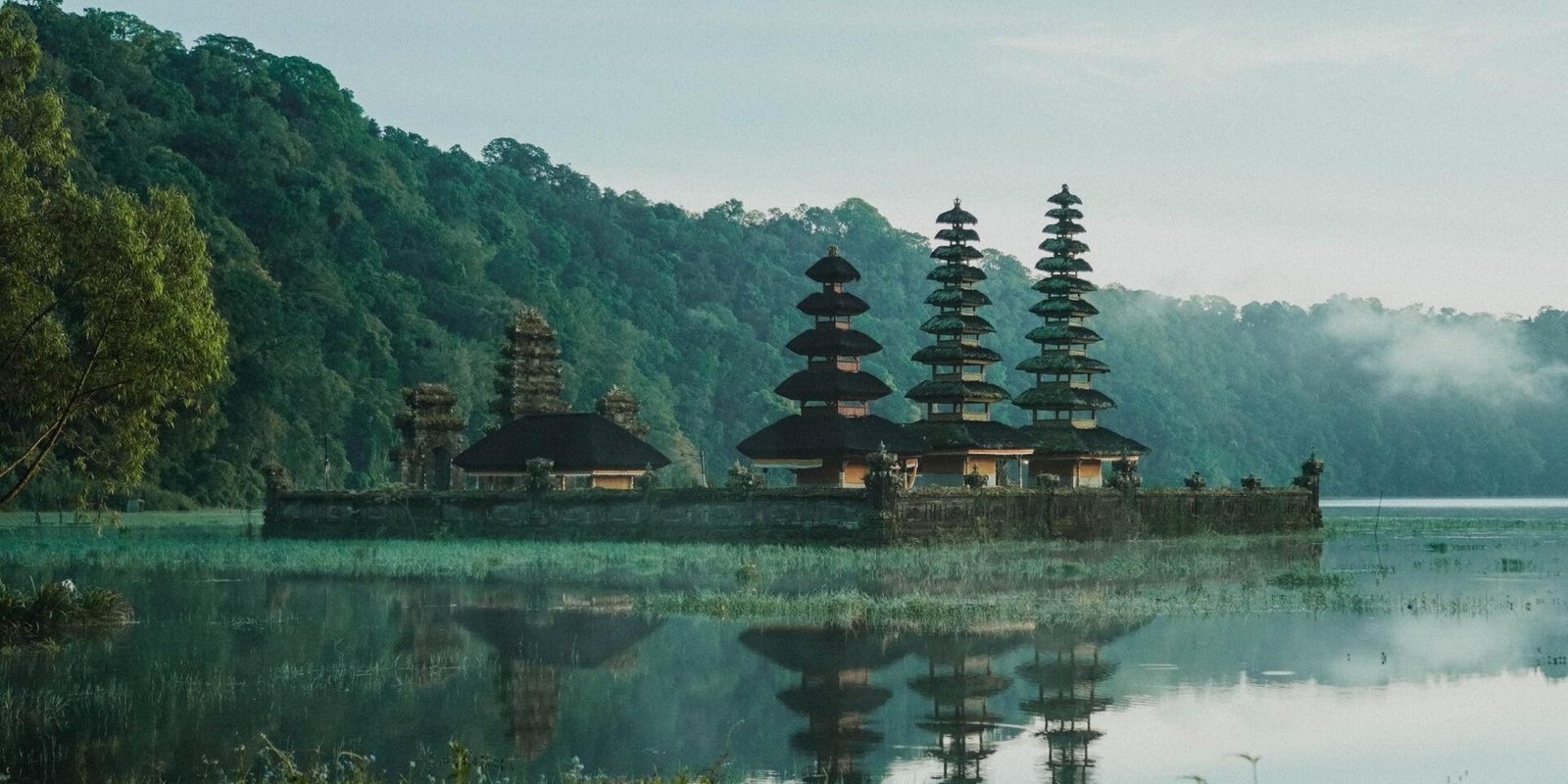
The north was historically the administrative heart of Bali. Its temples are older. Its traditions are less observed for tourist benefit and more simply observed, as they have been for centuries. The landscape here is defined by volcanic peaks, crater lakes, misty rainforest, and a patchwork of organic gardens and coffee plantations that have been tended for generations.
What the Highlands Offer That the South Cannot
The highlands of North Bali, particularly around Munduk and Gobleg, sit at around 1,200 metres above sea level. At this elevation, the heat that defines coastal Bali gives way to cool air, mist-draped mornings, and evenings that feel genuinely comfortable rather than sweltering.
There are no beach clubs here, no rooftop bars with DJ sets, and no rows of tourist restaurants with laminated menus. What the highlands offer instead is silence at night, the sounds of the plantation rather than traffic, and a pace of life that does not revolve around hospitality schedules.
Munduk Moding Plantation: Built for This Landscape
Munduk Moding Plantation was founded in 2007 on a five-hectare abandoned coffee plantation in Desa Gobleg, Buleleng. The founders chose to develop the resort sensitively and in close collaboration with the surrounding villages, working with Bali’s celebrated architects Popo Danes and Era Anastasia to create buildings that sit within the landscape rather than impose on it.
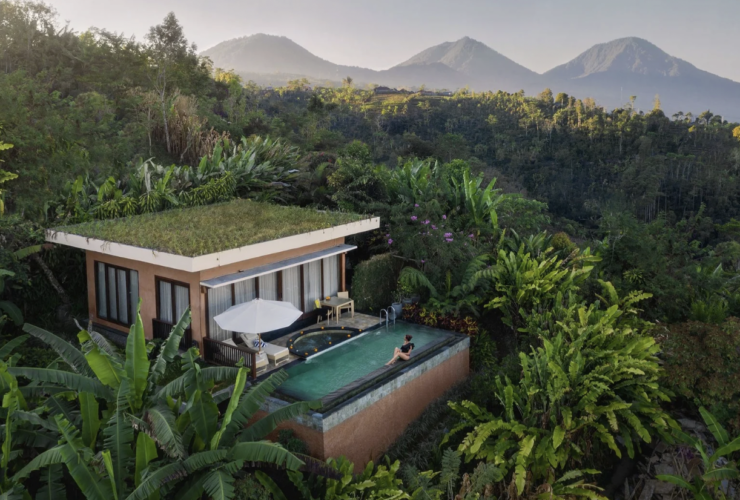
The resort is run by a team of around 150 Balinese colleagues, many of whom come from the villages of Gobleg and Munduk. The accommodation ranges from garden-view suites to multi-bedroom pool villas with private jacuzzis, all looking out over valleys and plantations that have been here far longer than the buildings. The award-winning infinity pools, among Asia’s top ten according to the World’s Top 10 Infinity Pools listing, amplify the sense that the landscape is not a backdrop but the whole point.
Our nature resort is guided by the Balinese philosophy of Tri Hita Karana, which seeks balance between people, the environment, and the spiritual world.
The Cultural Dimension of a Highland Stay
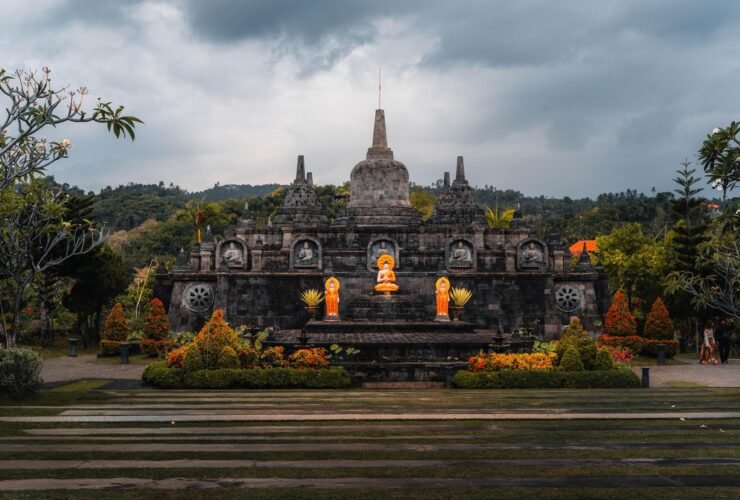
Much of what defines Balinese culture is rooted in its highland villages. Brahmavihara-Arama, the largest Buddhist monastery on the island, sits a short drive from Munduk in the hills above Banjar. Its terraced gardens, meditation halls, and hot spring pools occupy a setting of quiet grandeur that feels nothing like the southern temple circuit. For visitors interested in contemplative practice rather than a tourist checklist, it is one of the most affecting places on the island.
The MMP team can arrange visits to the monastery, as well as to Hindu temples and cultural villages that rarely appear on travel itineraries built around the south. The resort’s curated experiences programme reflects the same sensibility: connection with the place rather than extraction of highlights from it.
Restoration Rooted in Nature
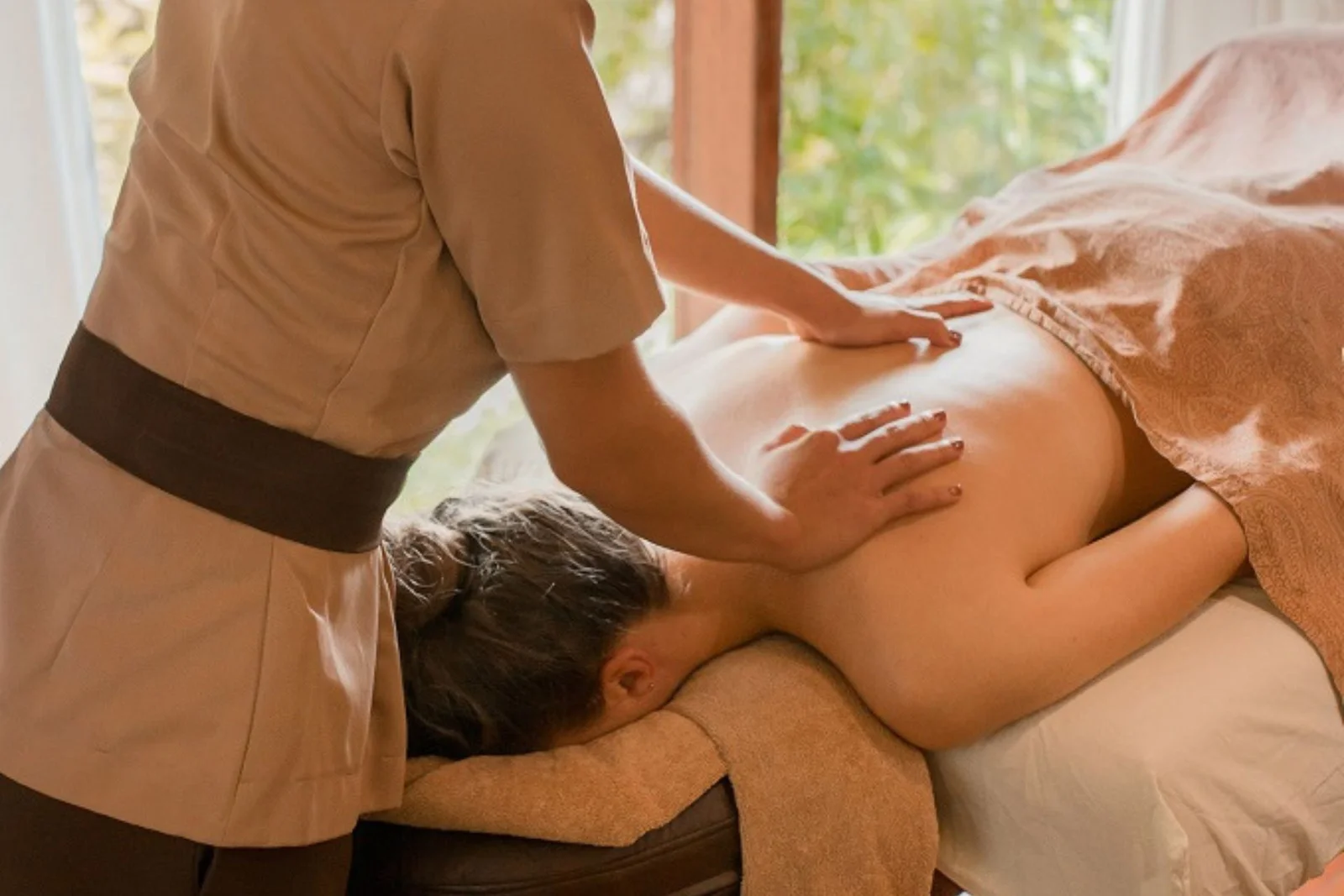
Looking for restoration trip that rooted in Nature? Our nature resort got you covered. The in-house Bamboo Spa at Munduk Moding is built within a handcrafted bamboo pavilion overlooking the valley. Treatments draw on Balinese tradition and use locally sourced natural ingredients.
An infrared sauna and jungle yoga sessions complete a wellness offering that is deliberately uncomplicated. The cool highland climate means yoga practice is comfortable at any time of day, and the silence around the pavilion is its own form of therapy.
Outdoor activities include hiking to waterfalls and mountain lakes, cycling through highland villages, and horseback riding through the plantation and surrounding hills. The guides who lead these experiences know the land in a way that no itinerary can fully replicate. The north of Bali rewards slowness and curiosity in equal measure.
Why Should You Visit Bali Highlands
Bali’s popularity has created a genuine conversation about how the island sustains itself, culturally and environmentally, under increasing visitor pressure. The south is feeling that pressure acutely. North Bali represents a different path, one where tourism supports the local economy, respects the landscape, and does not displace the culture it claims to celebrate.
Indonesia’s approach to sustainable tourism, outlined through the Ministry of Tourism’s sustainable destination framework, identifies highland and community-based tourism as a priority model. Munduk Moding Plantation has been quietly practising that model for nearly two decades. The resort holds Tripadvisor Travelers’ Choice Awards for 2024 and 2025, a World Luxury Hotel Award for 2023, and recognition from eco-certification bodies. These confirm what returning guests already know, what we offer is consistent, considered, and genuinely different from the mainstream Bali experience.
A Bali Indonesia retreat in the highlands is not a compromise or an alternative for people who couldn’t get a room in the south. It is the better choice for a particular kind of travel, the kind that takes the culture seriously, values the landscape, and leaves wanting to understand more rather than simply having seen more.
If this resonates with what you are looking for, we would be glad to help you plan your stay. Get in touch and the team at Munduk Moding will take it from there.